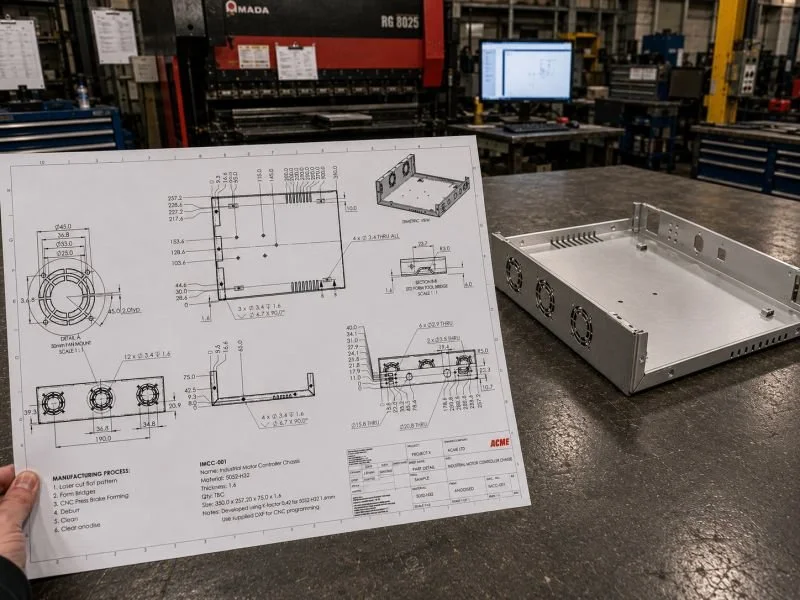
One simple change can save thousands in manufacturing...
The best drawings aren't the ones with the most dimensions.
They're the ones that leave the fewest unanswered questions.
As engineers, we often focus on designing great products.
But great products are only possible when they're communicated just as well.
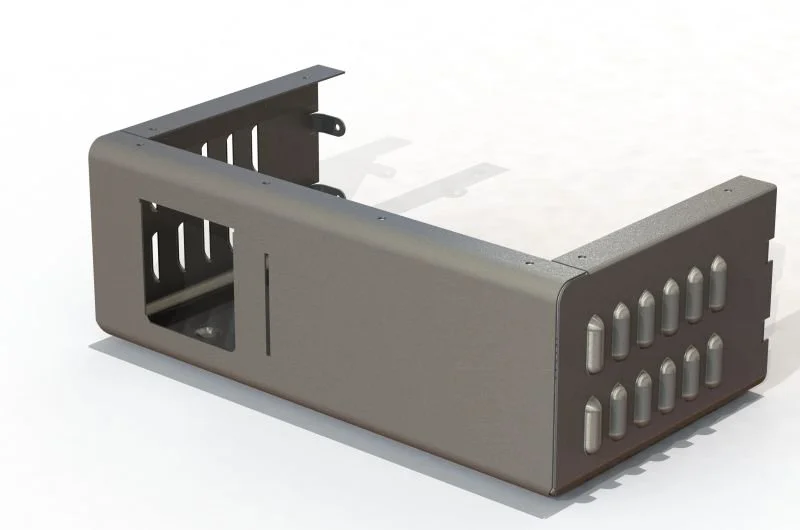
A Sheet Metal part can look perfect in SolidWorks...
It's about making a part that can be manufactured accurately, consistently and economically.
Every hour spent getting the model and drawing right can save many hours on the workshop floor.
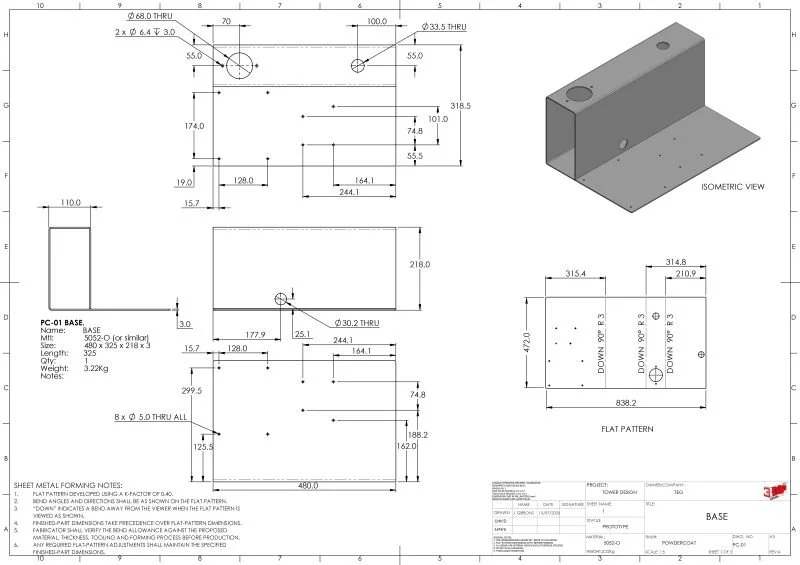
A finished SolidWorks sheet-metal model is not the same as a fabrication-ready design.
A useful sheet-metal drawing should typically include:
• Material grade and thickness
• Finished-part and flat-pattern views
• Bend direction, angle and internal radius
• Critical dimensions from stable datums
• Grain direction where relevant
• Surface finish or coating requirements
• Deburring and edge-break notes
• Weld details, inserts and hardware
• A clean DXF with bend lines clearly identified
It is also worth checking that the bend allowance, K-factor and tooling assumptions reflect the fabricator’s actual process.
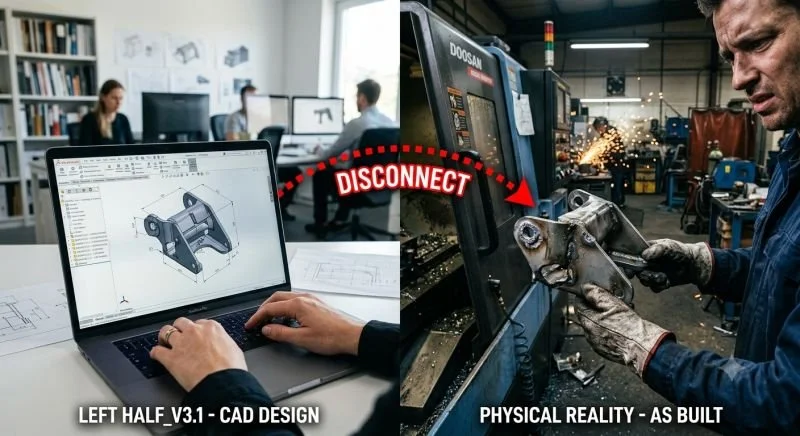
The biggest cost in product development isn’t a bad idea……….It’s redesign.
The best engineers don’t just design parts.
They design products that can be made, assembled, serviced, and repeated consistently.
A few hours spent thinking about manufacturability at the start can save thousands of dollars later.
That’s why I spend as much time talking to fabricators, machinists, and suppliers as I do modelling in CAD.
Good engineering isn’t about making complicated things.
It’s about making complicated problems look
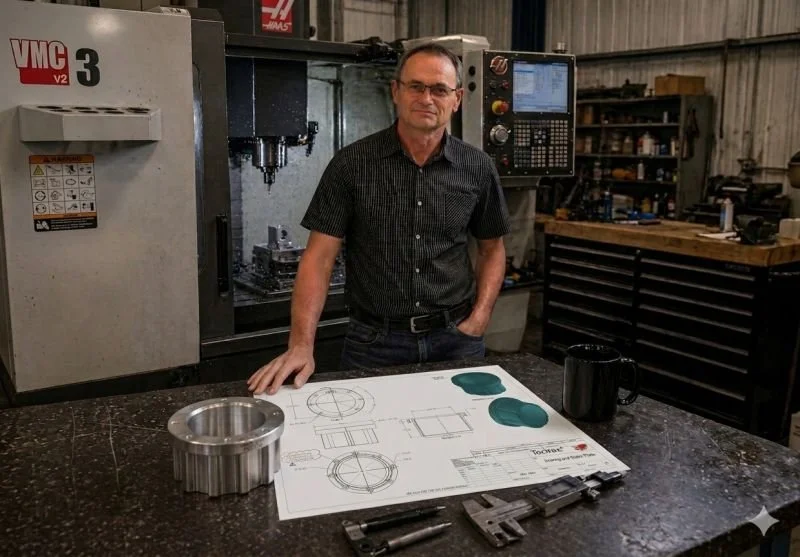
“Your Drawing Is a Contract…Between Design and Reality.”
Most people treat drawings as a formality.
Something you produce at the end of a project to “tick the A good drawing isn’t documentation.
And like any contract, if it’s vague… it gets interpreted.
I’ve seen it too many times:
“That dimension wasn’t critical, so we left it off.”
Workshop guesses → parts don’t fit
me.
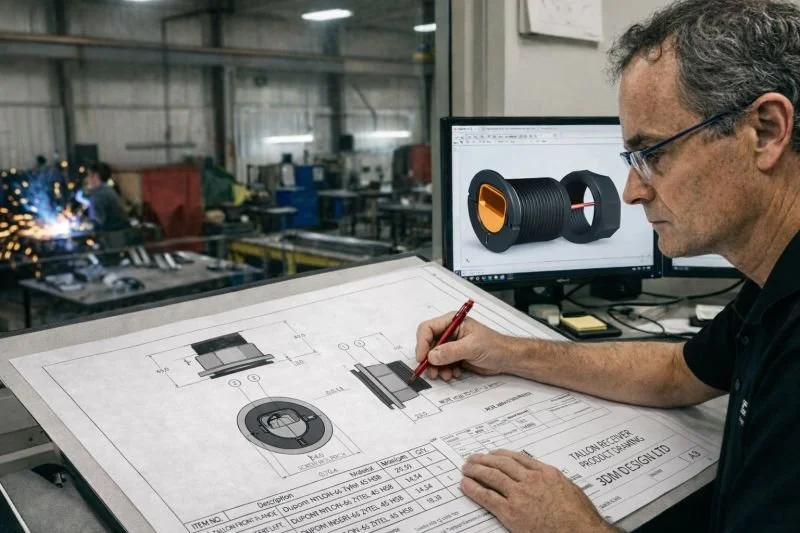
“A good drawing doesn’t describe the part… it defines the outcome.”
A drawing should answer every real-world question before it gets asked:
Where does it locate?
What actually matters dimensionally?
What can move vs what must not?
What finish is functionally required (not just “nice to have”)?
If your fabricator has to call you… the drawing isn’t finished.
The best drawings I’ve seen have a few things in common:
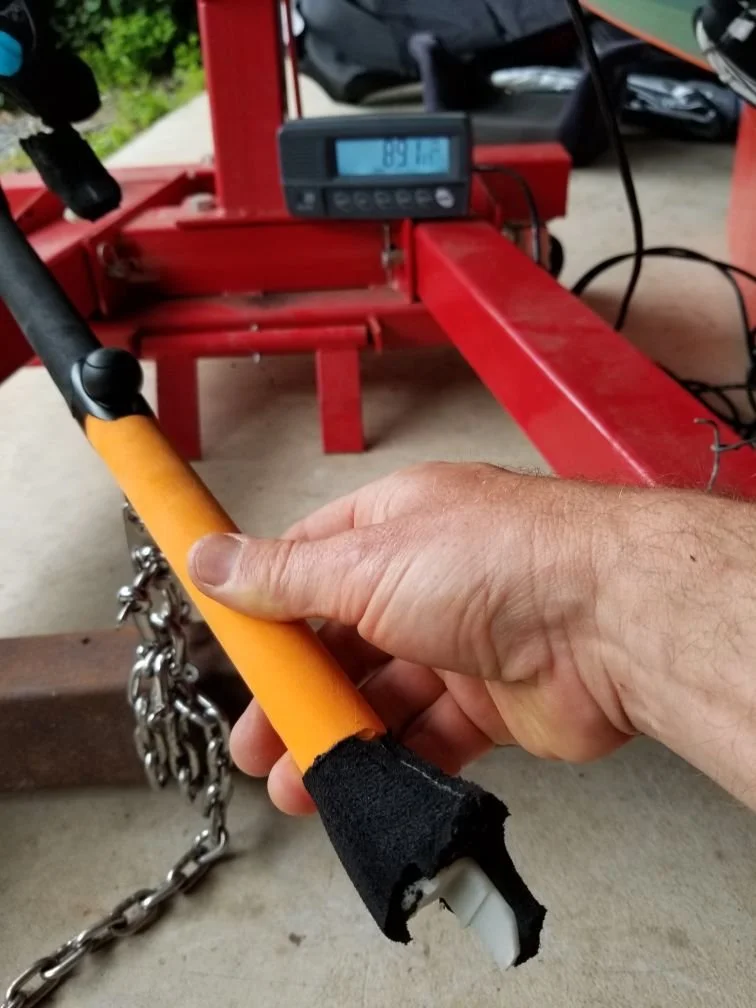
Most products don’t fail because of bad ideas.
Most products don’t fail because of bad ideas....They fail because of bad execution.
I see it all the time.
A great concept gets through the early excitement phase…
Then reality hits:
-Parts that can’t be manufactured efficiently
-Assemblies that fight tolerance stack-ups
-Designs that look great in CAD but fall apart in the real world
And suddenly, a “great idea” becomes an expensive lesson.
The difference?
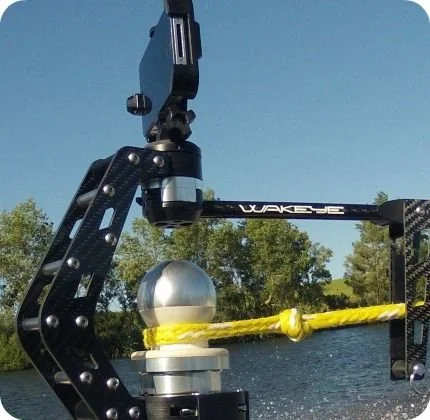
Great products rarely happen by accident.....
Great products rarely happen by accident.....They come from good engineering decisions made early.
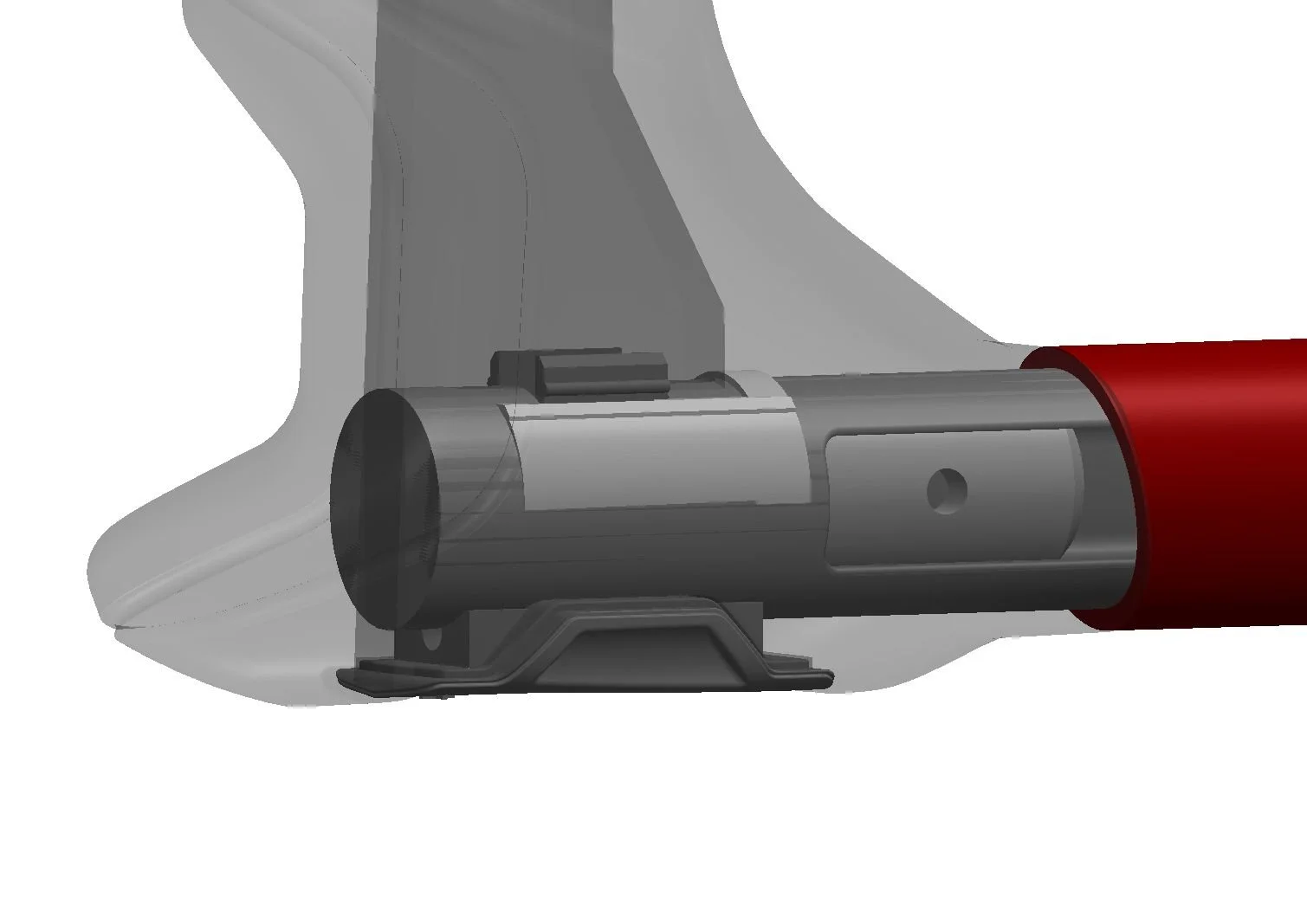
Engineering Design Is a Competitive Advantage......Most companies treat engineering as a cost.
But the best companies? They treat engineering as leverage!
Good engineering design can:
• Reduce part count
• Simplify assembly
• Lower machining time
• Improve stiffness without adding weight
• Prevent warranty failures
• Increase perceived quality
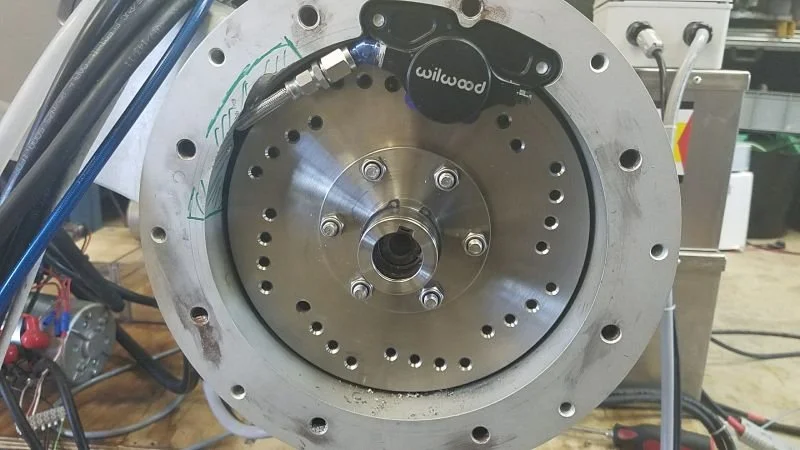
Most product problems aren’t manufacturing problems
Most product problems aren’t manufacturing problems...they’re design decisions made too early — without enough real-world thinking behind them.
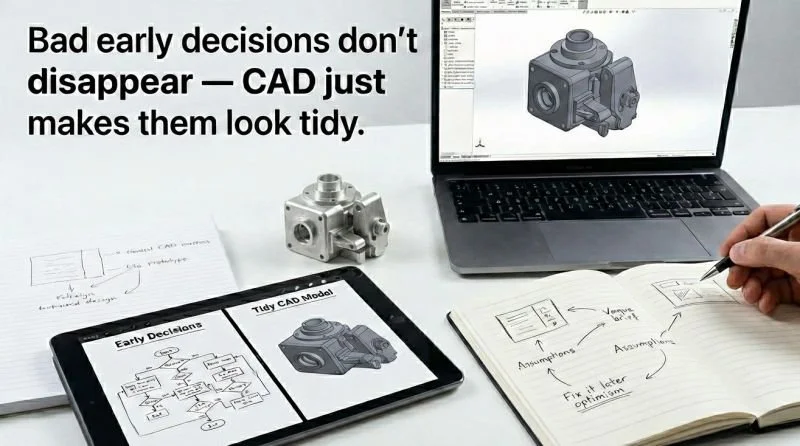
Bad early decisions don’t disappear — CAD just makes them look tidy.
Most product failures don’t happen in CAD.
They’re just revealed there.
They actually start earlier:
• a vague brief
• assumptions instead of numbers
• suppliers chosen too soon
• “we’ll fix it later” optimism
Then CAD gets blamed when:
– the part can’t be manufactured
– tolerances quietly stack up
– costs double once quotes arrive
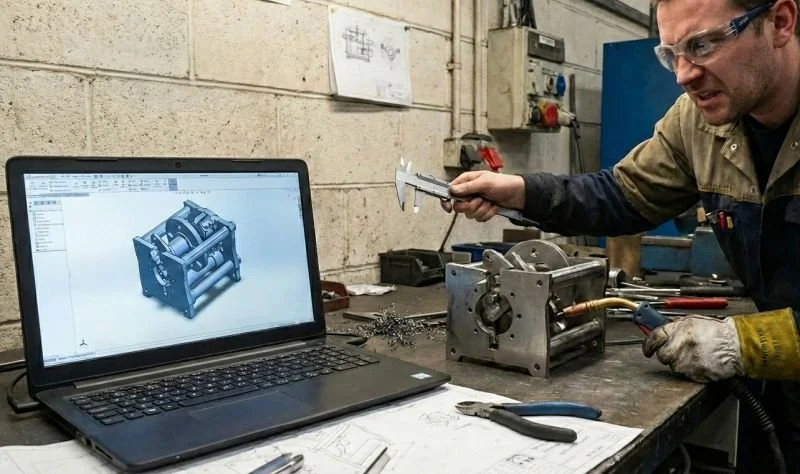
"If your CAD model only works in CAD, it’s not finished."
Good engineering isn’t about making something look right on screen.
It’s about designing for:
Tool access
Real-world tolerances
Assembly sequence
Human hands, not idealised constraints
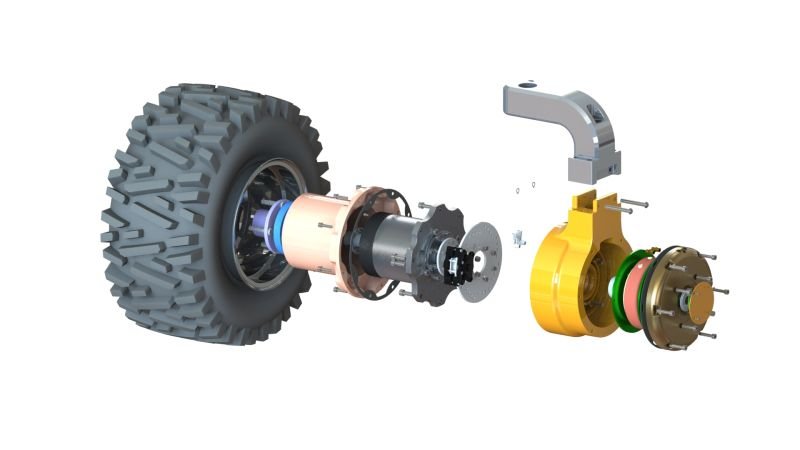
CAD doesn’t make you an engineer. Harsh? Maybe.
CAD doesn’t make you an engineer.
Harsh? Maybe.
True? Often.
Engineering isn’t about how clean your model looks.
It's about what happens after the file leaves your screen.
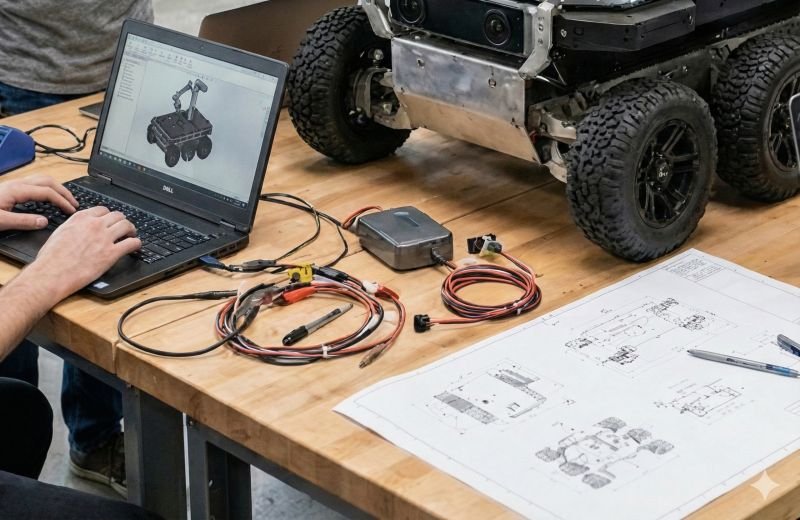
Design Isn’t Just About Solving Problems — It’s About Solving the Right Problems
Good discovery beats good rework.
If you’re developing a physical product and want a structured, engineering-first approach—one that minimises redesign costs and accelerates manufacture—I’m always happy to help.
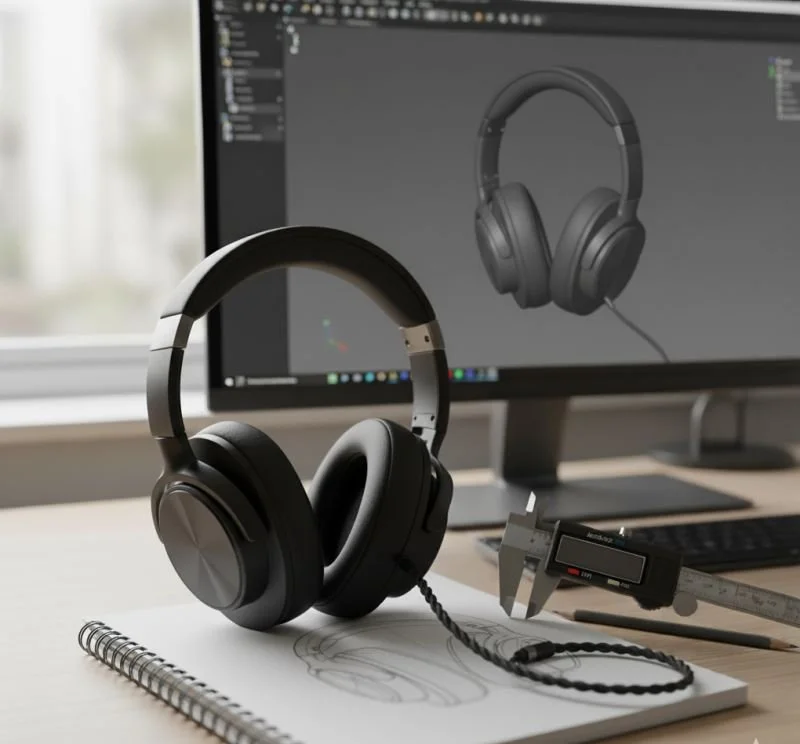
Why Physical Prototypes still matter in a Digital World.....
It’s not old-school — it’s efficient product development.
If you’re designing something that needs to perform, feel right, or survive real-world use, prototypes aren’t optional — they’re where the magic happens.

The Hidden Value of Good Engineering
Good engineering is quiet — until bad engineering becomes loud…
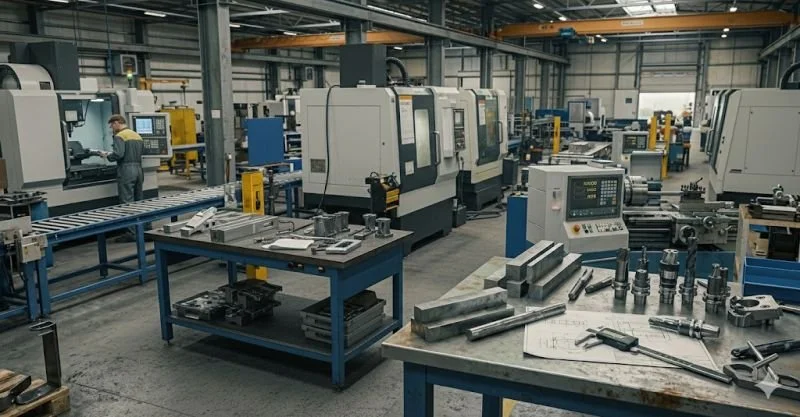
When Design, Engineering, and Manufacturing Work as One...
As tools and communication between disciplines improve, this kind of integration isn’t just a nice-to-have; it’s becoming the default way to get hardware into the world quickly and reliably.
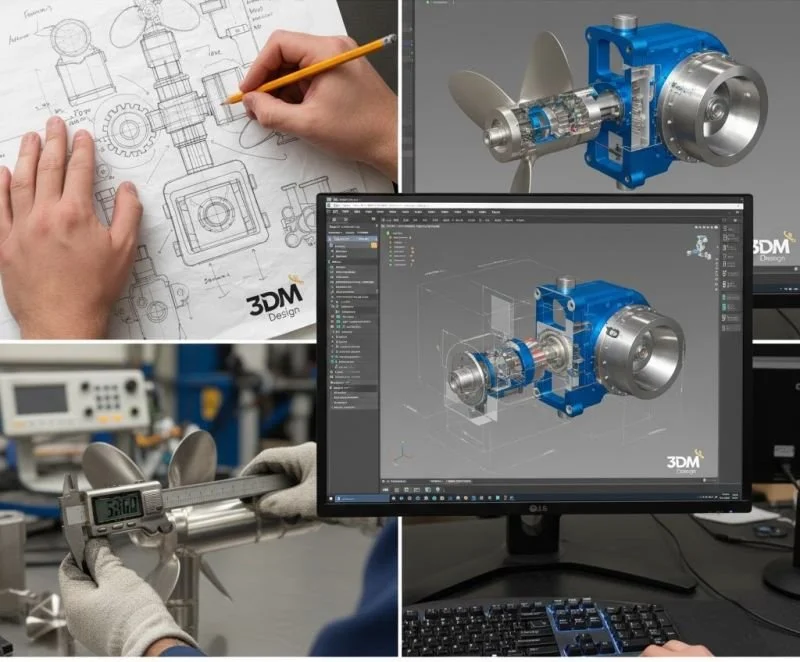
Behind the Design” - From sketch to steel.
Whether it’s optimizing a weldment for a marine application, creating a precise fit for an irregular shape, or refining a complex mechanical assembly in SolidWorks, every project gets the same level of attention to detail.
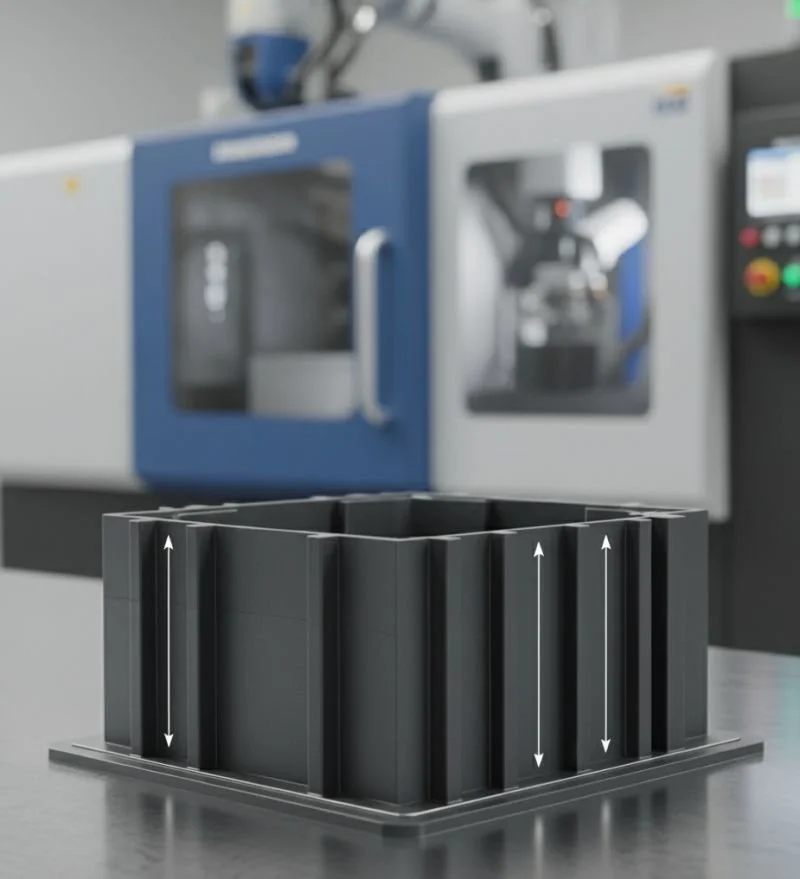
Quick Tip for Product Designers
If you’re designing a plastic part that’ll be injection molded, here’s one thing that can save you a lot of time (and tooling cost):
Always design with draft — even if it’s just 0.5°.
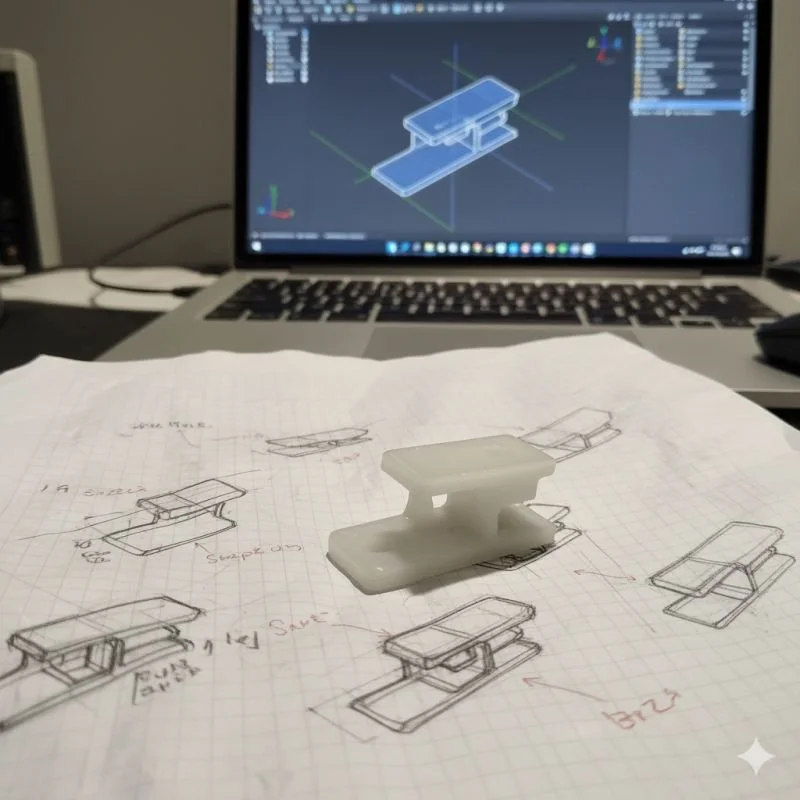
It’s often the smallest parts that make the biggest difference.......
This week I’ve been deep into the details of spring design and snap-fit features.